
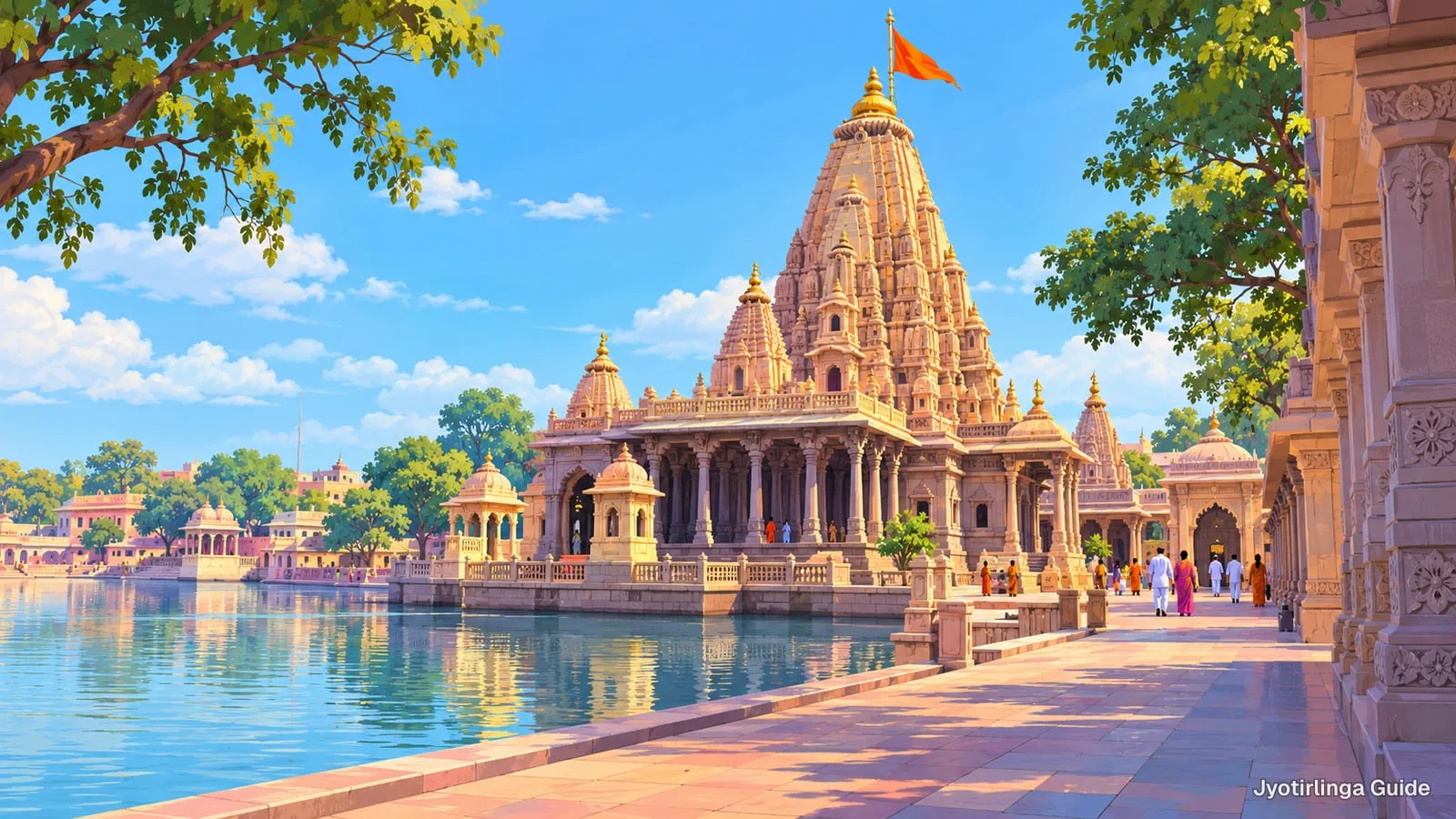
Mahakaleshwar stands in Ujjain, on the Shipra river, and is the one jyotirlinga where Shiva is worshipped as Mahakal, the king of time. The temple is known for its bhasma aarti, which is performed with ash and needs a booking and an early start. This guide follows the visit in the order most people plan it, with the times and rules that the Shri Mahakaleshwar temple committee publishes on its own site.
Before you go: the morning and the booking
The bhasma aarti is the early morning service, from 4:00 AM to 6:00 AM in both seasons. The committee says it is booked only on its own site. Regular booking opens on the 1st of the previous month at 8:00 AM. Tatkal booking opens one day before, also at 8:00 AM. Because the window is short and the service is early, plan this booking first.
The committee describes Sheeghra Darshan as the quick darshan line, a pass that skips the queue. The committee site does not print its price, and it does not set out the terms of the general queue. Several puja options also need a Sheeghra Darshan ticket, so check the puja list before you pick one. Online slots cover Sheeghra Darshan, the bhasma aarti, the sandhya and shayan aartis, and puja or abhishek booking.
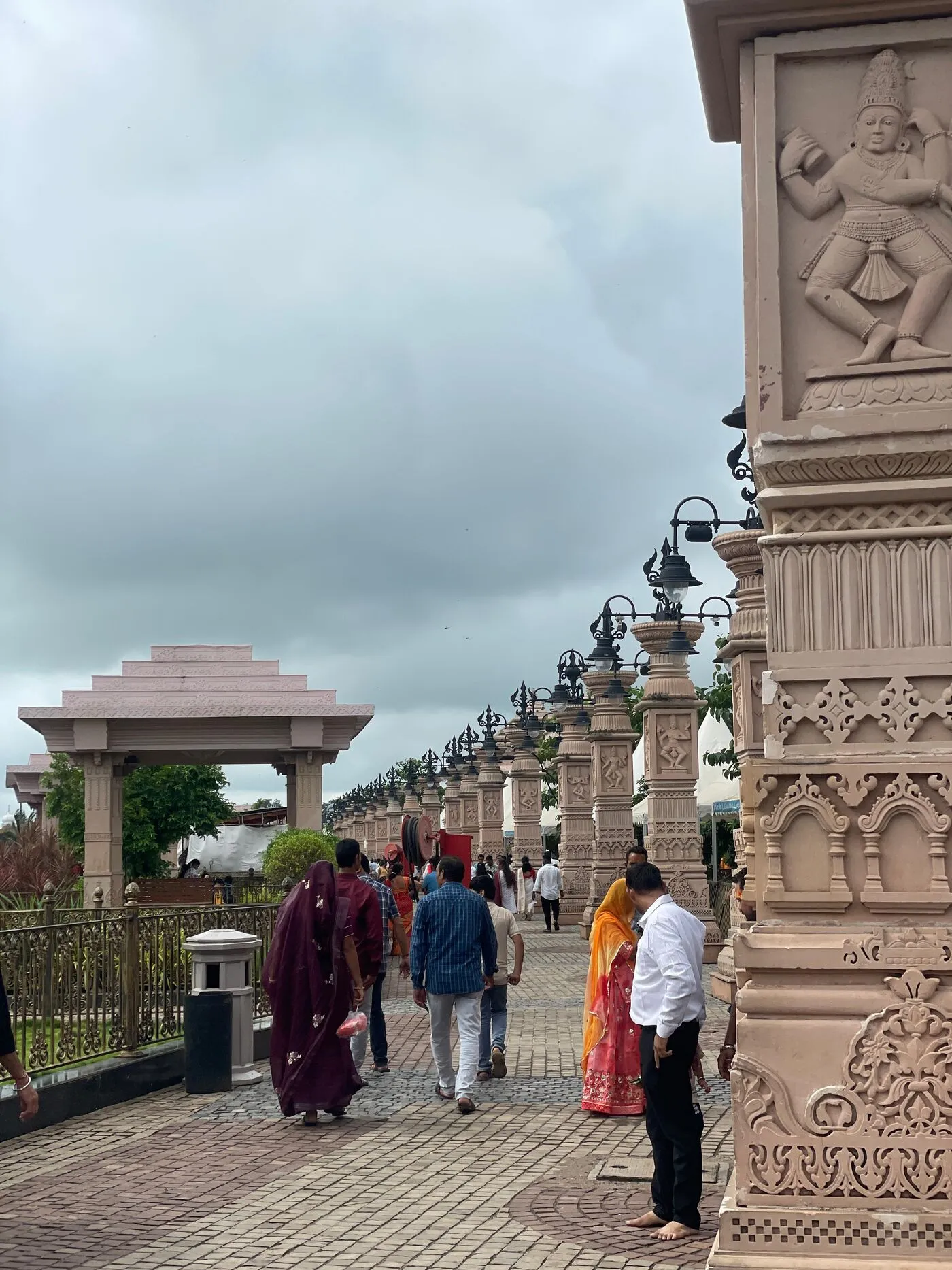

The committee runs five aartis a day. Three of them move by 30 minutes between the two halves of the Hindu year: Chaitra to Ashwin, and Kartik to Phalgun. The committee lists aarti times only, not darshan hours.
| Aarti | Chaitra to Ashwin | Kartik to Phalgun |
|---|---|---|
| Bhasma aarti | 4:00 AM to 6:00 AM | 4:00 AM to 6:00 AM |
| Dadyodak aarti (Bal Bhog) | 7:00 AM to 7:45 AM | 7:30 AM to 8:15 AM |
| Bhog aarti | 10:00 AM to 10:45 AM | 10:30 AM to 11:15 AM |
| Sandhya aarti | 7:00 PM to 7:45 PM | 6:30 PM to 7:15 PM |
| Shayan aarti | 10:30 PM to 11:00 PM | 10:30 PM to 11:00 PM |
The two halves run from Chaitra Krishna Pratipada to Ashwin Purnima, and from Kartik Krishna Pratipada to Phalgun Purnima.
Sandhya aarti booking opens daily at 12:00 noon. Shayan aarti booking opens at 4:00 PM. Both are first come, first served, and only on the official site. The committee's helpline is 1800 233 1008.
Pujas, abhishek and charges
The committee lists these charges. Several pujas need a Sheeghra Darshan ticket, as noted below.
| Puja or abhishek | Charge | Note |
|---|---|---|
| General puja | Rs 100 | Needs a Sheeghra Darshan ticket |
| Shivmahima path | Rs 200 | Needs a Sheeghra Darshan ticket |
| Rudrabhishek, vaidik puja | Rs 300 | One Brahmin, needs a Sheeghra Darshan ticket |
| Rudrabhishek with Shiv Mahimna Stotra | Rs 500 | 11 avartan, needs a Sheeghra Darshan ticket |
| Rudrabhishek with Rudra path | Rs 1,000 | 11 avartan, one Brahmin, needs a Sheeghra Darshan ticket |
| Laghu Rudrabhishek | Rs 3,000 | 121 path |
| Maha Rudrabhishek | Rs 15,000 | |
| Mahamrityunjay jaap | Rs 15,000 | 1.25 lakh jaap |
Rules and days to note
The committee says the Annakshetra serves free meals from 11:00 AM to 7:30 PM. From Shravan to Bhadrapada, the Mahakal Sawari procession goes out on Mondays. The Nagchandreshwar shrine opens only on Nag Panchami.

The temple and what it is known for
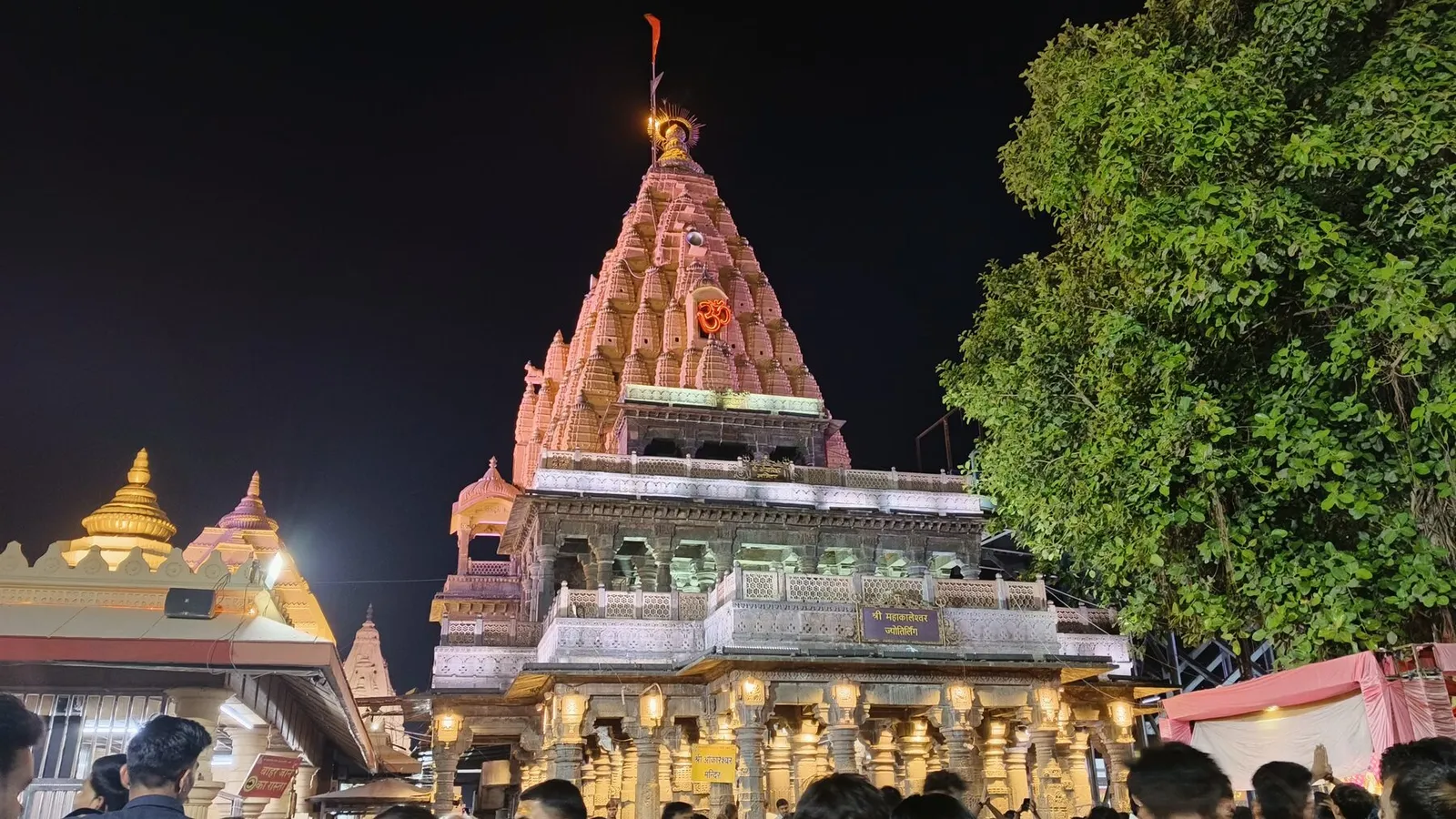
The committee says the temple is in Ujjain on the Shipra, and that it has five aartis a day and 53 temples inside its premises. It also states that the temple receives over 1,50,000 visitors a day. These are the committee's own claims, not a measured count.
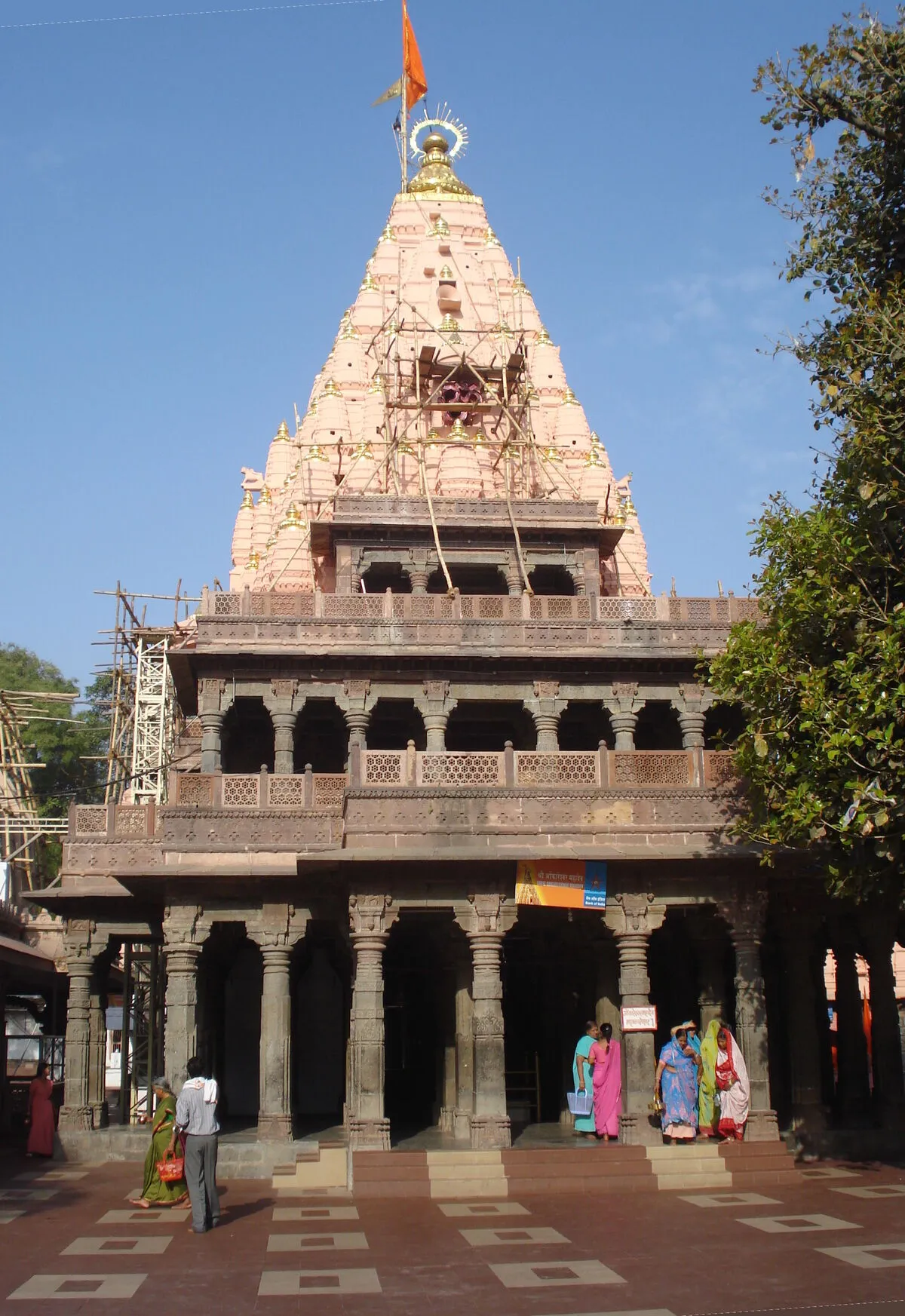

The committee's history page records that King Chandapradyot of Ujjain appointed his son Kumar Sena to look after the temple in the 6th century BCE. By the 10th century, under the Paramara kings of Malwa, the temple stood at its architectural peak. The committee records that Sultan Iltutmish demolished the structure in 1235 CE, and that the site stayed a pilgrimage point through the next five centuries. The present temple was rebuilt in the 18th century in the Maratha revival, after the conquest of Malwa, when Ranoji Rao Shinde was given its administration.
Local tradition, as the committee gives it, places here the penance Parvati performed to attain Shiva as her husband.
Nearby temples and sights
The Lakshmi Narasimha Temple is in the corridor of the Mahakaleshwar complex. The committee gives a Skanda Purana story in which Narasimha's anger cooled at this spot, and notes that worship here on Saturdays and Chaturdashi is held especially fruitful.
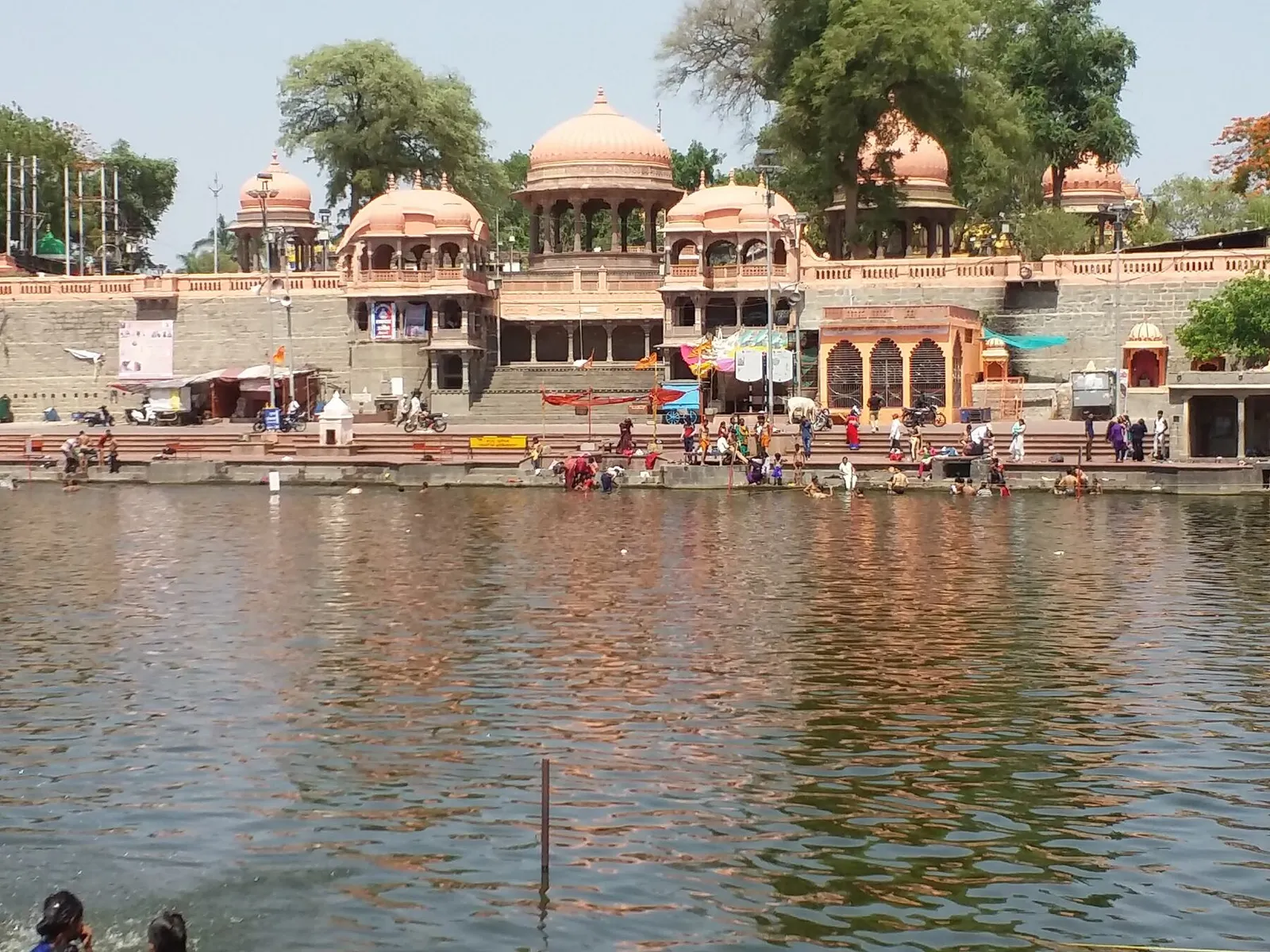
The Ujjain district list adds these places. The Navagraha Mandir stands on the Triveni Ghat of the Shipra, away from the old town. The Chaubis Khamba has twenty-four ornate pillars that the district dates to the 9th or 10th century. The Rama-Janardana Mandir holds idols that the district dates to the 17th century. The district calls the ISKCON Temple a popular Krishna temple. The Kaliadeh Palace stands on the bank of the Shipra and has a Sun Temple in its grounds. The Gopal Mandir stands in the middle of a big market square, and the Kal Bhairava temple is dedicated to the chief of the eight Bhairavas. The district also lists the town's observatory, and notes the importance Ujjain held in the field of astronomy.

More is on the nearby page.
Planning the visit
- Getting there: the committee names Ujjain Junction as the railway station (code UJN on the district page), connected by rail to Indore, Bhopal, Delhi, Mumbai, Jaipur, Ahmedabad, Varanasi, Patna and Amritsar. The nearest airport is Devi Ahilya Bai Holkar, Indore (IDR). The committee gives it at about 58 km, and the district page gives 53 km. Routes are on the how to reach Mahakaleshwar page.
- By road: the committee gives Ujjain about 53 km from Indore, 660 km from Mumbai, 510 km from Jaipur and 400 km from Ahmedabad.
- Staying: the committee runs two guest houses, Pt. Suryanarayan Vyas Atithi Niwas and Shri Mahakaleshwar Atithi Niwas, and its site says they can be booked online. Other options are on the where to stay page.
- Festival periods: for Mahashivratri and Shravan, read the committee's news and events page for special arrangements. See the Mahashivratri page for that festival.
- Other stops: if you are touring several shrines, see the circuit page and the booking page for planning help.